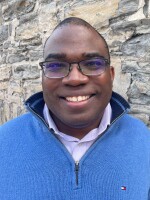
State Comptroller Tom DiNapoli received overwhelming support Friday at the state Democratic convention in Syracuse. But challengers in the race are vowing to press on.
DiNapoli received 90% of the weighted vote for the party’s designation from state committee members, versus 10% for Drew Warshaw, a nonprofit CEO and former chief of staff for the Port Authority of New York and New Jersey.
DiNapoli, who has been in the office since 2007, said he is not taking anything for granted.
“Public office is a trust with the people,” he said. “You get a contract for two years or four years. In the case of state comptroller, it's four years. Your contract comes up for renewal, and you go before the voters, and you look for their support.”
The comptroller oversees the state pension fund, and serves as a watchdog over the spending of state and local tax dollars.
DiNapoli was first appointed to the position by the Legislature in February 2007 after then-Comptroller Alan Hevesi was forced to resign amid a corruption scandal.
DiNapoli said he had restored credibility to the office and that he has been a steady hand steering one of the nation’s largest pension funds.
But he could face a primary challenge for the first time. His closest election was his first one in 2010, when he sought a full term from voters.

His challengers this year cited a need for change. Warshaw was the only other candidate who was eligible to be nominated at the convention as he had at least 10 committee members supporting his nomination. He would have needed 25% of the votes from committee members to avoid having to petition his way onto the June primary ballot.
“This is not a shelter in place moment. There is a fight out there, and we have to get out of our bunker and go into that fight,” Warshaw said. “And this person is sitting on all this power and all this money and can flex it for New Yorkers who don't have those things. And for the last 19 years, that has not been the agenda, that has not been the priority.”
Another candidate, Adem Bunkeddeko was also in Syracuse meeting with committee members and said he is no stranger to grassroots efforts. He said DiNapoli is not using the weight of his office to address issues like housing.
“It can't just be putting out reports. It cannot just be saying that, like, I'm just meeting my return,” Bunkeddeko said. “We have to fundamentally rethink the office, because if we don't … the challenges that the state faces are going to grow increasingly worse over time, and that is not going to be a pretty financial picture for anyone here in New York.”
Raj Goyle skipped the convention altogether, opting to appear at a protest in Manhattan calling on the state to divest from the data firm Palantir. The company has faced criticism over its software being used to assist U.S. immigration enforcement, and supplying technology to Israel for use in Gaza.
“We're seeing grassroots energy grow by the day, and again, that's why Tom DiNapoli should be answering for his unconscionable investment in Palantir, and his doubling down,” Goyle said in an interview. “But instead, he spends his time with all many insiders, because that's all he's ever known.”
In response, DiNapoli said divesting from Palantir and other firms that cause controversy would be difficult because the pension fund largely invests in index funds, and eliminating individual stocks would put the fund in the position of being an “active stock picker,” which he argued is not the best way to manage the fund.
“When we see something we don't like, we reach out to the company and we say, ‘We're one of your owners. We don't like some of the things that we're seeing.’” DiNapoli said, explaining his approach. “ So we're going to continue to press Palantir.”
The winner of the June primary would face Republican Joseph Hernandez, a veteran Wall Street investor, in the November general election. Hernandez said he would offer fresh perspective and new ideas and “instill more fiscal logic” when it comes to oversight of state spending.