


On Point
Weekdays at 1 p.m.
Every weekday, host Meghna Chakrabarti leads provocative conversations that help make sense of the world. Each show is a deeply researched, beautifully produced hour. Listeners will learn, be challenged — and have some fun, too. Produced by WBUR in Boston, and distributed by American Public Media.

-
 After spending 8 years running focus groups with voters, the former Republican operative and Never-Trumper says she knows not only how voters think but why they vote the way they do. *** Thank you for listening. Help power On Point by making a donation here: wbur.org/giveonpoint
 -
 More than half of men under 50 in the U.S. have an open online sports book. Public health experts warn it's easier than ever to get addicted to gambling. Atlantic staff writer McKay Coppins spent a year exploring the world of sports betting, and why the pastime is particularly bad for young men. *** Thank you for listening. Help power On Point by making a donation here: wbur.org/giveonpoint
 -
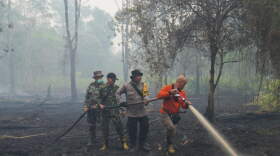 El Niño has become an annual global climate phenomenon. But this year, scientists are warning of a record-setting 'super' El Niño. What that could mean for the weather everywhere on planet earth. *** Thank you for listening. Help power On Point by making a donation here: wbur.org/giveonpoint
 -
 The UK abolished the slave trade more than 200 years ago. But the wealth it created still shapes the country today. A new database reveals the businesses, families and monarchs enriched by slavery. And it’s forcing a reckoning in the UK that's long overdue. *** Thank you for listening. Help power On Point by making a donation here: wbur.org/giveonpoint
 -
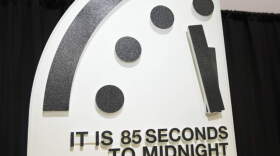 On Point news analyst Jack Beatty on why the Bulletin of the Atomic Scientists has set its Doomsday Clock at 85 seconds to midnight, its highest estimate of the likelihood of global catastrophe. *** Thank you for listening. Help power On Point by making a donation here: wbur.org/giveonpoint
 -
 Social media. Streaming. Swiping. Today, it's normal to reach for our phones when we're bored. But researchers say passive boredom like scrolling is not the kind of boredom that sparks creativity. How can we reclaim boredom in the digital age? *** Thank you for listening. Help power On Point by making a donation here: wbur.org/giveonpoint
 -
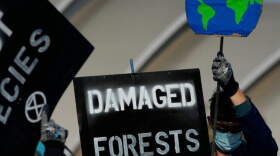 An ever-warming world, rising sea levels, shrinking glaciers — it’s easy to despair over the climate crisis. But scientist Tim Lenton says not every tipping point leads to doom. *** Thank you for listening. Help power On Point by making a donation here: wbur.org/giveonpoint
 -
 Family estrangement – cutting ties with a parent, grandparent, or sibling – is often seen as at odds with the meaning of family as we know it. Sociologist and author Rin Reczek says it’s time to rethink what family means and what we expect from it. *** Thank you for listening. Help power On Point by making a donation here: wbur.org/giveonpoint
 -
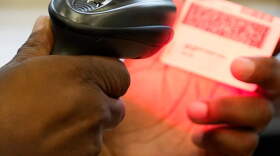 153 million U.S. drivers' licenses were hacked and put up for sale on the Dark Web. That's more than half of all licensed drivers. How that happened and what it says about who's doing what with our data. *** Thank you for listening. Help power On Point by making a donation here: wbur.org/giveonpoint
 -
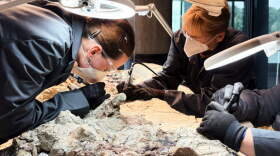 What did the Jurassic world actually sound like? Using fossils and AI, scientists have reconstructed the calls of insects that lived alongside the dinosaurs. The result is the closest we've ever come to hearing prehistoric Earth. *** Thank you for listening. Help power On Point by making a donation here: wbur.org/giveonpoint
 -
 On Point news analyst Jack Beatty looks into the devotion of white evangelical Americans to Donald Trump and the power of political Christianity. *** Thank you for listening. Help power On Point by making a donation here: wbur.org/giveonpoint
 -
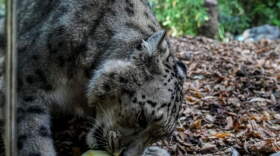 Ecologist Kullu Suryawanshi has spent 20 years tracking one of the most elusive animals in the world, deep in the mountains of Asia. What has he learned about snow leopards and the humans that share their home? *** Thank you for listening. Help power On Point by making a donation here: wbur.org/giveonpoint


